Music is a universal language that connects people across cultures and generations. For children, music can be both a source of joy and a powerful learning tool. Musical toys introduce kids to sounds, rhythms, and melodies in a playful and engaging way. These toys not only entertain children but also contribute significantly to their cognitive, emotional, and physical development.
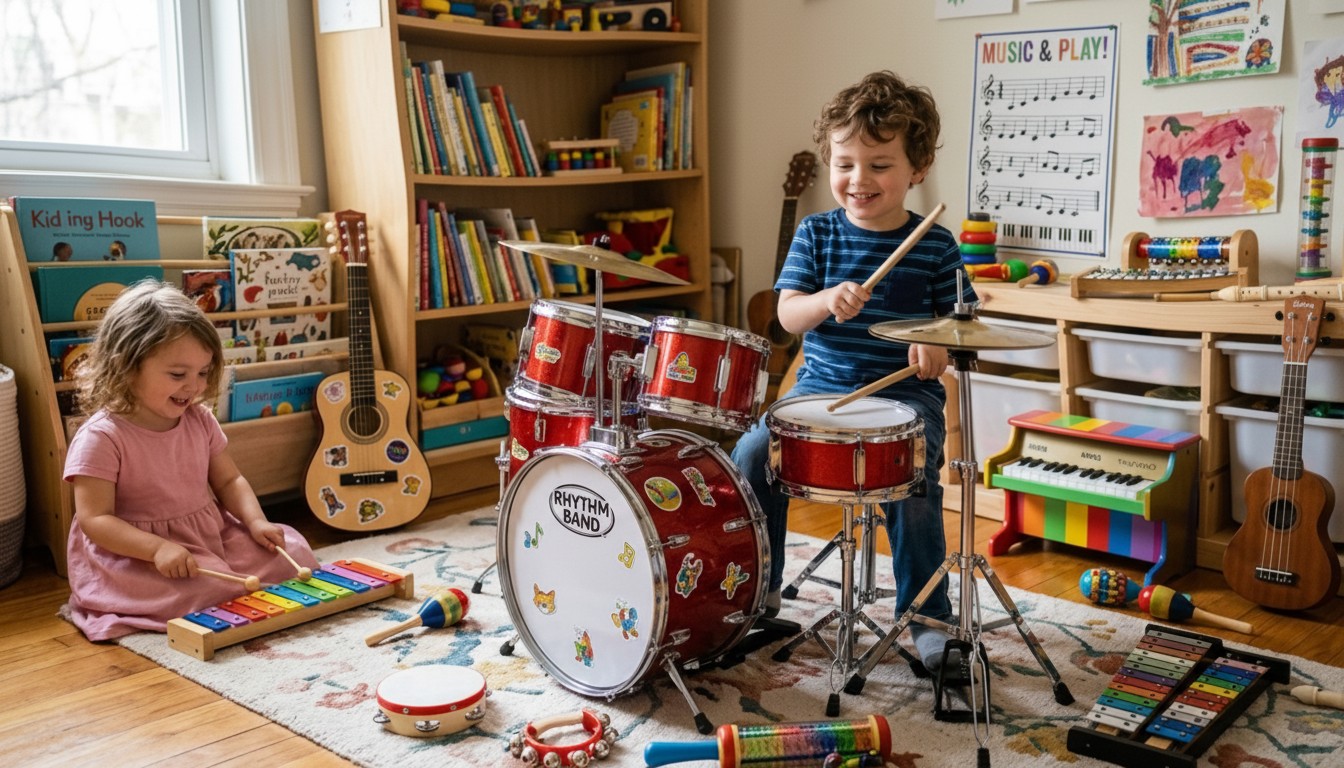
One of the key benefits of musical toys is their impact on brain development. When children interact with musical instruments such as toy pianos, drums, or xylophones, they begin to recognize patterns and sounds. This process stimulates neural connections in the brain and encourages the development of memory and concentration. Studies have shown that early exposure to music can enhance language development and even improve mathematical abilities later in life.
Musical toys also play an important role in fostering creativity. Children naturally enjoy experimenting with sounds and rhythms. With musical toys, they can create their own melodies and explore different ways of producing music. This freedom allows them to express their imagination and emotions in unique ways. Unlike structured learning activities, musical play encourages spontaneous exploration, which is essential for creative growth.
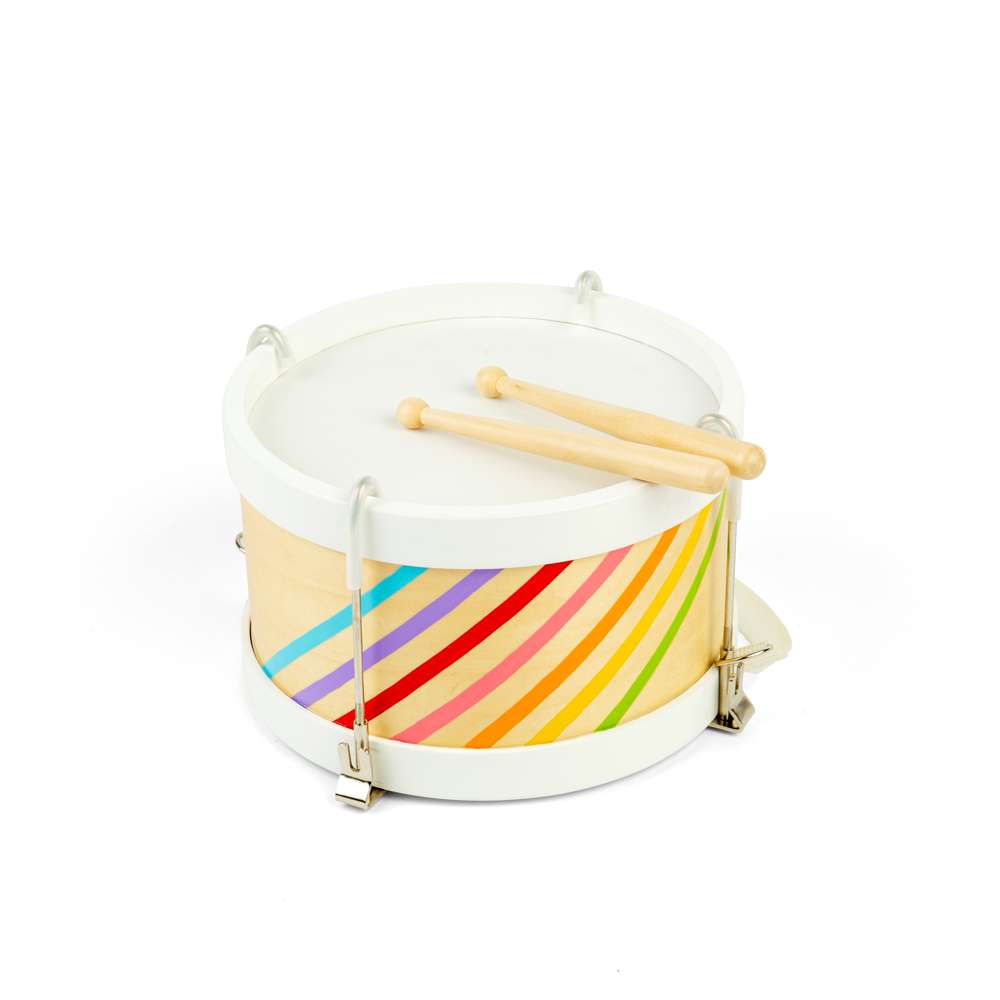
Another advantage of musical toys is the development of motor skills. Many musical instruments require children to move their hands, fingers, and sometimes their entire body. For example, tapping a drum helps develop hand-eye coordination, while pressing keys on a toy keyboard strengthens finger control. These activities improve both fine motor skills and overall physical coordination.
Musical toys can also enhance social interaction. When children play musical instruments together, they learn valuable social skills such as cooperation, sharing, and listening. Group musical activities encourage teamwork and help children understand rhythm and timing. These experiences can build confidence and improve communication skills. Parents can also join their children during musical playtime, turning it into a fun bonding activity that strengthens family relationships.
In addition to developmental benefits, music has a positive effect on emotional well-being. Music can help children relax, reduce stress, and express emotions that they may not yet have the words to describe. Playing musical toys allows children to release energy and explore feelings in a safe and enjoyable environment. This emotional outlet is particularly important during early childhood, when children are still learning how to manage their emotions.
Musical toys are also valuable tools for early education. Many educational toys combine music with lights, colors, and interactive features to create a multi-sensory learning experience. These toys encourage children to explore cause-and-effect relationships. For example, pressing a button might produce a sound or melody, helping children understand how their actions create results.
Parents and educators often use musical toys to introduce basic musical concepts such as rhythm, pitch, and tempo. While children may not fully understand these concepts at first, repeated exposure helps them gradually develop musical awareness. Over time, this early exposure may inspire children to learn real musical instruments or pursue musical hobbies.
In conclusion, musical toys provide far more than simple entertainment. They support brain development, encourage creativity, improve motor skills, strengthen social interaction, and promote emotional well-being. By introducing musical toys into a child’s daily playtime, parents can create an enriching environment that supports learning and personal growth. Musical toys are a wonderful way to combine fun with education, helping children discover the joy of music while building skills that will benefit them throughout life